Where we go
Across Sri Lanka’s Shores, Highlands, Heritage and Wild Frontiers
Sri Lanka's compact size belies its extraordinary range: coral coastlines, ancient stone cities, cloud-wrapped hill country, dense wilderness and sacred sites all lie within a few hours' drive of one another. Explore the destination guide below to start planning your own route across the island. Each entry includes the best time to visit so that you can build your itinerary around the right season.
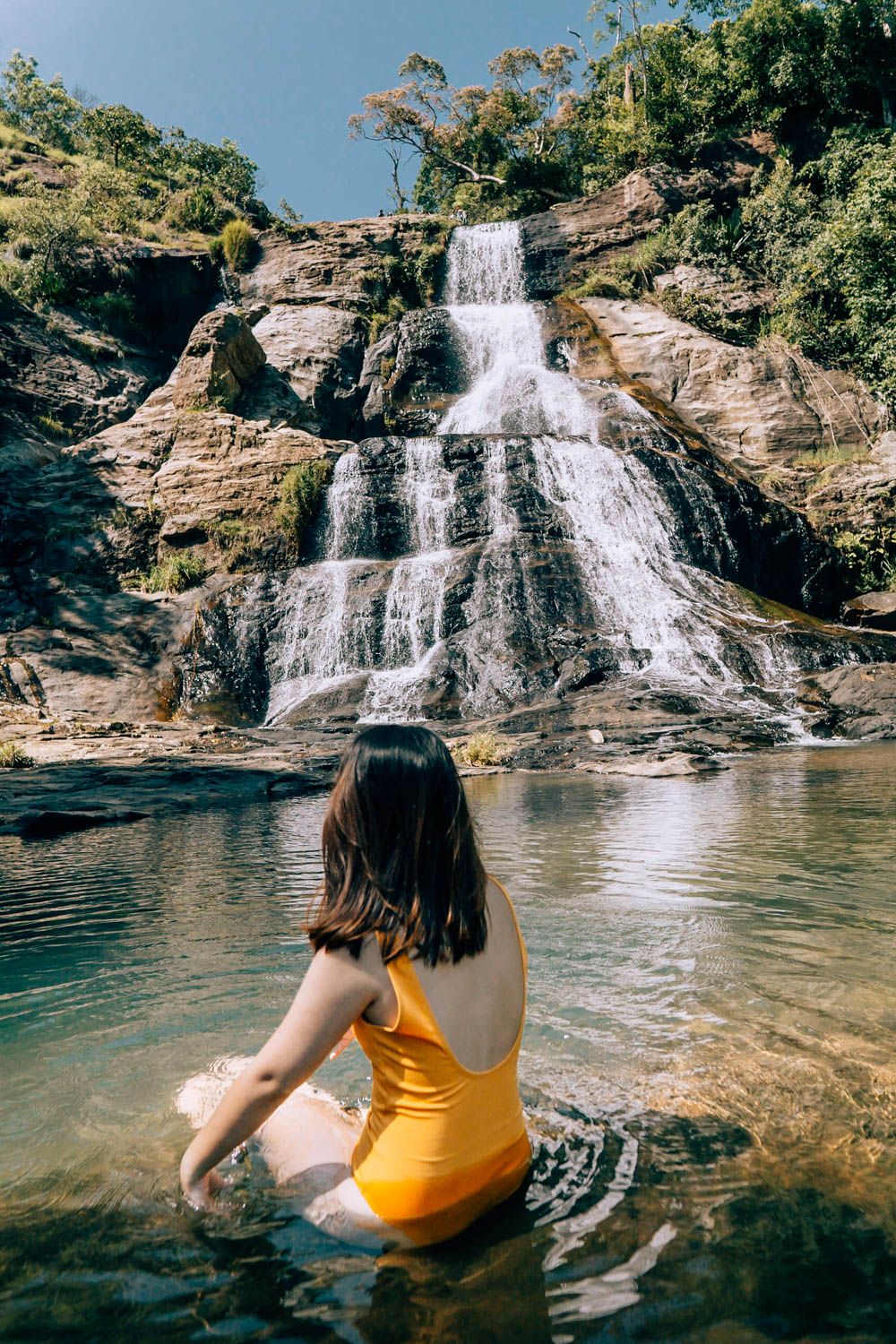
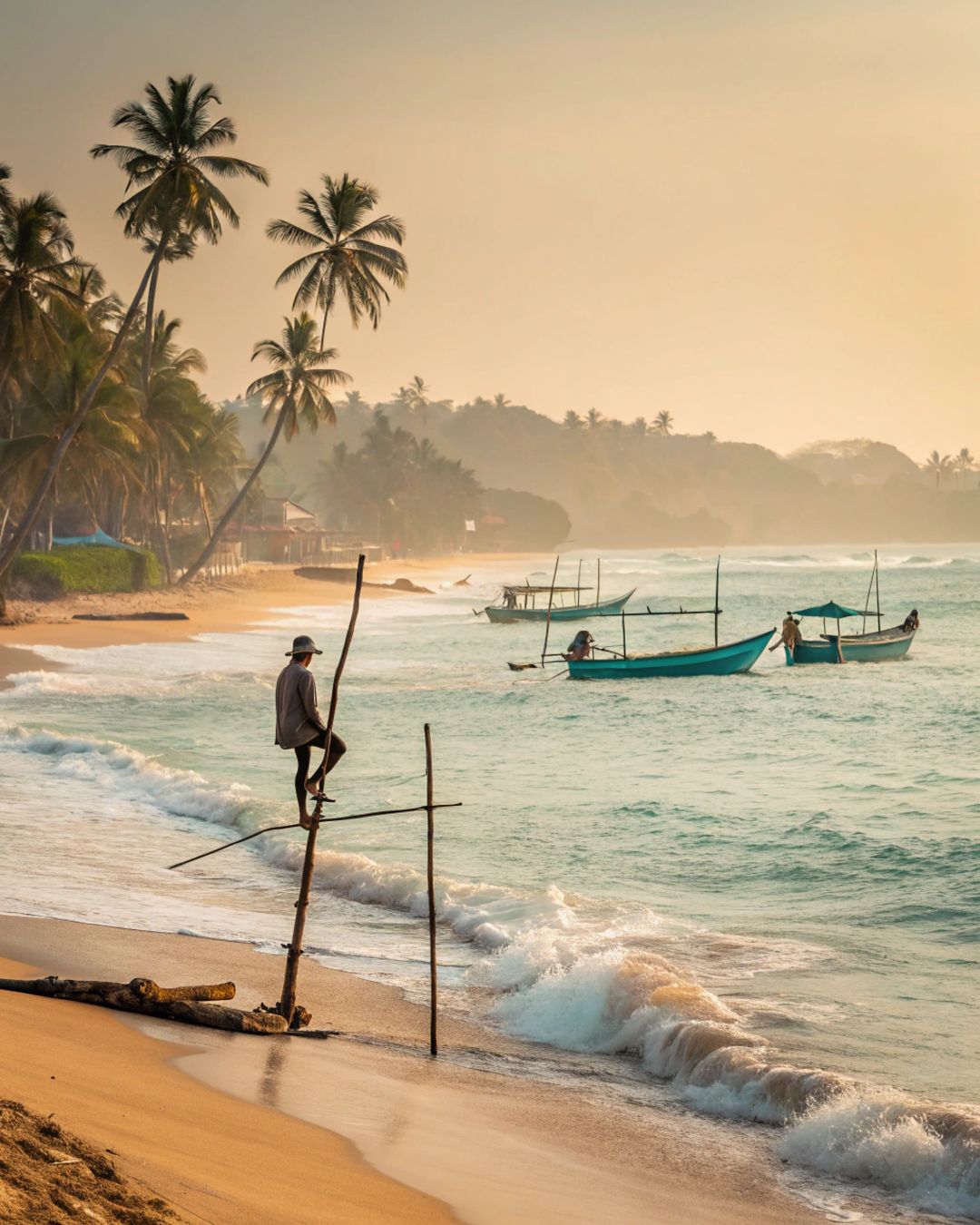
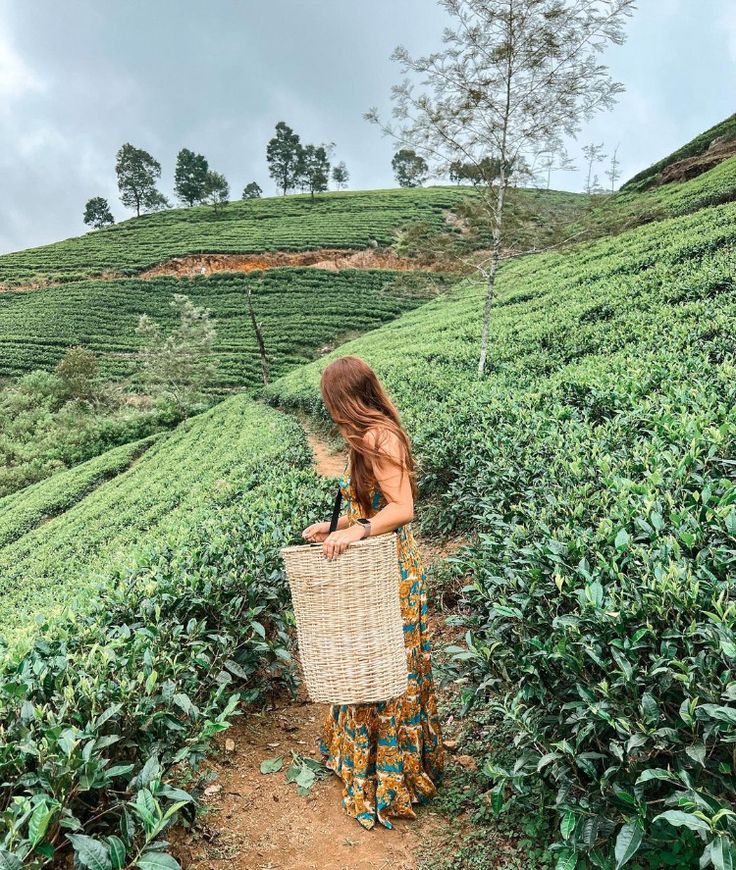
Bentota
Bentota is where the Bentara River meets the Indian Ocean, creating a lagoon-and-beach playground for water sports, turtle hatcheries and riverside boat safaris. Wide golden sands and calm surf make it ideal for families, while Ayurveda resorts and spa retreats add a slower, restorative rhythm to this stretch of Sri Lanka’s southwest coast.
November to April
Arugam Bay
Arugam Bay is Sri Lanka’s surf capital, drawing riders from across the globe to its legendary right-hand point break. Beyond the waves, this laid-back east-coast town offers lagoon safaris, elephant sightings at nearby Kumana, and a barefoot, bohemian energy found in its beachside cafes, guesthouses and golden late-afternoon light over the water.
May to September
Negombo
Just minutes from the international airport, Negombo blends fishing-village charm with easy beach access. Colourful oruwa boats line the shore each morning, Dutch-era canals wind through town, and a lively fish market captures daily life. It is the perfect first or last stop, offering a gentle introduction to coastal Sri Lanka.
December to March
Pasikuda
Pasikuda is famed for its shallow, glassy bay, where turquoise water stretches out for hundreds of metres, safe and calm even for young swimmers. This quieter east-coast gem pairs uncrowded beaches with laid-back luxury resorts, making it a favourite for travellers seeking tranquillity, gentle snorkelling and unhurried sunsets over the Bay of Bengal.
May to September
Mirissa
Mirissa’s crescent beach and swaying palms make it a postcard-perfect south-coast escape, best known for whale-and-dolphin-watching boat trips departing at dawn. By day, surfers and sunbathers share the sand; by night, beachfront cafes glow with fairy lights. Nearby Coconut Tree Hill offers one of Sri Lanka’s most photographed views.
November to April
Kalpitiya
Kalpitiya is Sri Lanka’s premier kite-surfing destination, where a narrow peninsula between lagoon and ocean creates near-perfect wind conditions from May to October. Beyond the sport, dolphin-watching excursions, mangrove kayaking and remote, unspoiled beaches give this region a raw character rarely found elsewhere along the island’s coast.
May to October for kitesurfing, November to April for dolphins
Tangalle
Tangalle offers a wilder, more secluded stretch of southern coastline, where quiet coves, rocky headlands and long empty beaches replace the crowds found further west. It’s a nesting ground for sea turtles, a gateway to the Rekawa sanctuary, and a favourite among travellers seeking barefoot luxury and genuine solitude by the sea.
November to April
Nilaveli
Nilaveli’s powder-white sands and calm, clear water make it one of Sri Lanka’s most beautiful beaches, largely untouched by mass tourism. Boat trips reach Pigeon Island’s coral reefs just offshore, perfect for snorkelling among reef sharks and turtles. This eastern gem pairs postcard scenery with a peaceful, unhurried coastal atmosphere.
May to September
Hikkaduwa
Hikkaduwa combines a lively beach town buzz with natural beauty, from its protected coral sanctuary to consistent surf breaks that draw riders year-round. Glass-bottom boat tours, turtle encounters and a strip of beach bars give it an energetic edge, making it a favourite for younger travellers wanting sun, sea and nightlife.
November to April
Trincomalee
Trincomalee guards one of the world’s finest natural harbours, its history layered with Dutch forts, colonial lighthouses and the clifftop Koneswaram Temple. Beyond the town, Nilaveli and Uppuveli beaches offer whale watching and diving, making Trinco a rare combination of cultural depth, coastal scenery and some of the island’s clearest waters.
May to September
Polonnaruwa
Polonnaruwa is a preserved UNESCO World Heritage city of stone palaces, moated temples and the monumental Gal Vihara Buddha statues carved directly into rock. Cycling between ruins beneath shady trees, with monkeys and monitor lizards for company, makes exploring this 12th-century royal city feel unhurried and intimate.
January to September
Sigiriya
Sigiriya’s Lion Rock rises dramatically from the jungle plains, its summit crowned by the ruins of a 5th-century royal palace. Climbing past ancient frescoes and the roaring lion’s paws carved into the rock face rewards visitors with sweeping panoramic views. As a UNESCO World Heritage Site, it remains Sri Lanka’s most iconic landmark.
January to March
Dambulla Cave Temple
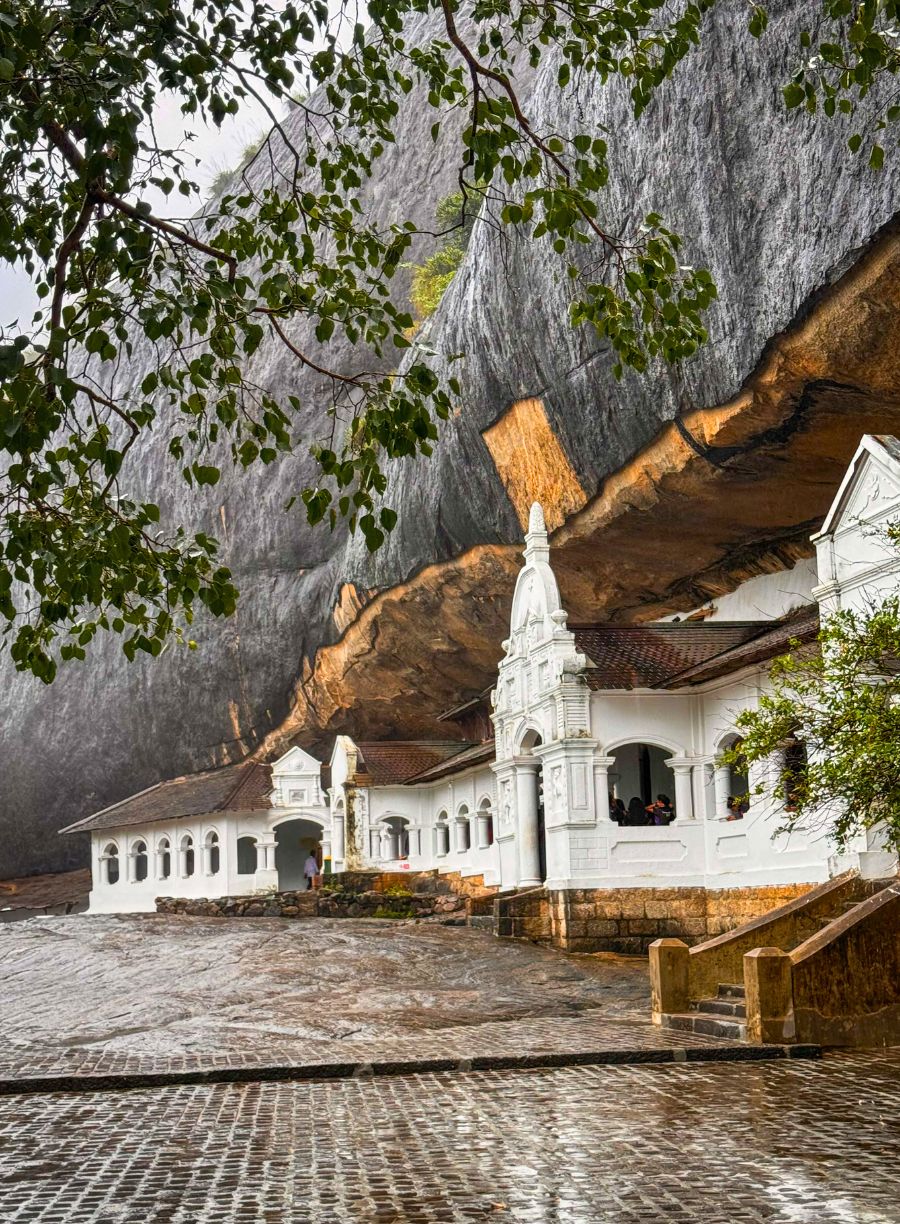
Carved into a granite outcrop over two millennia ago, the Dambulla Cave Temple houses five sacred caves filled with over 150 Buddha statues and vivid ceiling murals. As Sri Lanka’s largest and best-preserved cave temple complex, it remains an active site of Buddhist worship and a masterpiece of ancient artistry.
Year-round
Yapahuwa
Yapahuwa is a lesser-visited fortress-rock that briefly served as Sri Lanka’s capital in the 13th century, with its dramatic ornamental stairway leading to a ruined palace complex above. Far quieter than the island’s more famous sites, it rewards travellers with solitude, atmospheric ruins and sweeping views over the surrounding plains.
January to April
Anuradhapura
Anuradhapura, Sri Lanka’s first ancient capital, spans centuries of Buddhist civilisation across a vast UNESCO-listed sacred city. Towering dagobas, the sacred Sri Maha Bodhi tree, and intricate moonstone carvings speak to a golden age of engineering and devotion, making it one of Asia’s most significant archaeological and spiritual sites.
January to September
Ella
Ella is a laid-back mountain village wrapped in tea estates, waterfalls and dramatic viewpoints, including the famous Nine Arch Bridge. Hiking Little Adam’s Peak or Ella Rock rewards early risers with misty valley views, while the scenic train journey in and out ranks among the most beautiful rail routes in the world.
January to March and July to September
Haputale
Perched on a ridge with views stretching to the south coast on a clear day, Haputale is a quieter alternative to the busier hill towns. Surrounded by working tea estates and colonial-era charm, it is the gateway to Lipton’s Seat, where sweeping panoramas reward an early-morning walk through rolling emerald plantations.
January to March
Horton Plains
Horton Plains National Park is a highland wilderness of grassy plateaus, cloud forest and dramatic escarpments, best explored on the early-morning trail to World’s End, a sheer 870-metre drop with far-reaching views. Cool temperatures, unique montane wildlife and scenery make it one of Sri Lanka’s most rewarding nature walks.
January to March
Nuwara Eliya
Nuwara Eliya, Sri Lanka’s “Little England,” sits amid rolling tea country at a cool, misty altitude, with colonial architecture, manicured gardens, and Tudor-style guesthouses that evoke a bygone era. Surrounding tea estates offer factory tours and tastings, while the crisp mountain air and lake views make it a refreshing highland escape.
January to April
Knuckles Mountain Range
The Knuckles Mountain Range, named for its knuckle-like peaks, is a UNESCO-listed wilderness of cloud forest, cascading streams and remote highland villages. Far from the tourist trail, it offers serious trekking through pristine biodiversity, with hidden waterfalls and panoramic ridge walks that reward travellers seeking Sri Lanka’s wildest, least-explored terrain.
January to April and July to September
Wilpattu
Wilpattu, Sri Lanka’s largest national park, is defined by its natural “villus,” shallow lakes scattered through dense forest that draw leopards, sloth bears and elephants to drink. Quieter and less crowded than Yala, it offers a wilder, more atmospheric safari experience for travellers seeking authentic wildlife encounters away from the crowds.
February to October
Udawalawe
Udawalawe National Park is renowned for its reliable elephant sightings, with large herds gathering around its central reservoir throughout the year. Open grassland makes wildlife easy to spot, while the nearby Elephant Transit Home offers a rare chance to see orphaned calves being rehabilitated before their return to the wild.
Year-round
Minneriya
Minneriya National Park hosts “The Gathering,” one of Asia’s most spectacular wildlife events, where hundreds of wild elephants converge on the ancient reservoir during the dry season. Beyond this seasonal phenomenon, the park’s grasslands and scrub jungle are home to leopards, sloth bears and abundant birdlife year-round.
July to October
Yala National Park
Yala National Park boasts one of the highest leopard densities in the world, alongside elephants, sloth bears and crocodiles roaming its dry-zone scrub and lagoons. As Sri Lanka’s most visited and celebrated safari destination, early-morning and late-afternoon game drives offer the best chances of spotting its elusive apex predator.
February to July
Sinharaja Rainforest
Sinharaja is Sri Lanka’s last major stretch of primary rainforest, a UNESCO Biosphere Reserve teeming with endemic species found nowhere else on Earth. Guided walks through its dense, dripping canopy reveal rare birds, colourful reptiles and a rich understorey of biodiversity, offering a humid, immersive contrast to the island’s drier wildlife parks.
January to April and August to September
Temple of the Tooth
Housing Sri Lanka’s most sacred Buddhist relic, a tooth of the Buddha, the Temple of the Tooth in Kandy is the island’s most revered pilgrimage site. Golden roofs, ornate carvings and daily rituals draw devotees and visitors alike, especially during the Esala Perahera festival, when the relic is paraded through the city.
Year-round
Adam’s Peak
Adam’s Peak is a sacred mountain revered by Buddhists, Hindus, Muslims and Christians alike, each attributing its summit footprint to a different faith. The overnight pilgrimage trail, lined with lights, culminates in a breathtaking sunrise and the mountain’s dramatic shadow cast across the misty highlands below.
December to May
Koneswaram Temple
Perched on Swami Rock overlooking the Indian Ocean, Koneswaram Temple is one of Sri Lanka’s most significant Hindu shrines, dedicated to Lord Shiva. Its clifftop setting, ancient origins and panoramic ocean views make it as striking visually as it is spiritually significant, drawing pilgrims and travellers to Trincomalee’s coastline.
May to September
Kataragama
Kataragama is a multi-religious pilgrimage town, sacred to Buddhists, Hindus, Muslims and indigenous Vedda communities alike, centred on the shrine of the deity Kataragama Deviyo. Its evening rituals, fire-walking ceremonies, and atmosphere of shared devotion make it one of Sri Lanka’s most spiritually diverse and fascinating destinations.
July to August
Jaffna
Jaffna, in Sri Lanka’s far north, offers a distinct Tamil cultural identity shaped by Hindu temples, Dutch colonial forts and a resilient post-war spirit. The vibrant Nallur Kandaswamy Temple, palm-fringed lagoons, and a unique culinary tradition set it apart from the rest of the island, rewarding travellers with a genuinely different Sri Lanka.
May to September
Ancient Kingdoms
Sri Lanka’s Cultural Triangle holds some of Asia’s most remarkable archaeological sites, centuries-old cities, monasteries and citadels that trace the island’s Buddhist heritage back over two thousand years.
Polonnaruwa
Polonnaruwa is a preserved UNESCO World Heritage city of stone palaces, moated temples and the monumental Gal Vihara Buddha statues carved directly into rock. Cycling between ruins beneath shady trees, with monkeys and monitor lizards for company, makes exploring this 12th-century royal city feel unhurried and intimate.
January to September
Sigiriya
Sigiriya’s Lion Rock rises dramatically from the jungle plains, its summit crowned by the ruins of a 5th-century royal palace. Climbing past ancient frescoes and the roaring lion’s paws carved into the rock face rewards visitors with sweeping panoramic views. As a UNESCO World Heritage Site, it remains Sri Lanka’s most iconic landmark.
January to March
Dambulla Cave Temple
Carved into a granite outcrop over two millennia ago, the Dambulla Cave Temple houses five sacred caves filled with over 150 Buddha statues and vivid ceiling murals. As Sri Lanka’s largest and best-preserved cave temple complex, it remains an active site of Buddhist worship and a masterpiece of ancient artistry.
Year-round
Yapahuwa
Yapahuwa is a lesser-visited fortress-rock that briefly served as Sri Lanka’s capital in the 13th century, with its dramatic ornamental stairway leading to a ruined palace complex above. Far quieter than the island’s more famous sites, it rewards travellers with solitude, atmospheric ruins and sweeping views over the surrounding plains.
January to April
Anuradhapura
Anuradhapura, Sri Lanka’s first ancient capital, spans centuries of Buddhist civilisation across a vast UNESCO-listed sacred city. Towering dagobas, the sacred Sri Maha Bodhi tree, and intricate moonstone carvings speak to a golden age of engineering and devotion, making it one of Asia’s most significant archaeological and spiritual sites.
January to September
Coastal Escapes
Sri Lanka’s coastline stretches for over 1,300 kilometres, offering everything from surf towns and fishing villages to five-star beach resorts. Whichever coast you choose, expect swaying palms, fresh seafood and warm Indian Ocean waters.
Bentota
Bentota is where the Bentara River meets the Indian Ocean, creating a lagoon-and-beach playground for water sports, turtle hatcheries and riverside boat safaris. Wide golden sands and calm surf make it ideal for families, while Ayurveda resorts and spa retreats add a slower, restorative rhythm to this stretch of Sri Lanka’s southwest coast.
November to April
Arugam Bay
Arugam Bay is Sri Lanka’s surf capital, drawing riders from across the globe to its legendary right-hand point break. Beyond the waves, this laid-back east-coast town offers lagoon safaris, elephant sightings at nearby Kumana, and a barefoot, bohemian energy found in its beachside cafes, guesthouses and golden late-afternoon light over the water.
May to September
Negombo
Just minutes from the international airport, Negombo blends fishing-village charm with easy beach access. Colourful oruwa boats line the shore each morning, Dutch-era canals wind through town, and a lively fish market captures daily life. It is the perfect first or last stop, offering a gentle introduction to coastal Sri Lanka.
December to March
Pasikuda
Pasikuda is famed for its shallow, glassy bay, where turquoise water stretches out for hundreds of metres, safe and calm even for young swimmers. This quieter east-coast gem pairs uncrowded beaches with laid-back luxury resorts, making it a favourite for travellers seeking tranquillity, gentle snorkelling and unhurried sunsets over the Bay of Bengal.
May to September
Mirissa
Mirissa’s crescent beach and swaying palms make it a postcard-perfect south-coast escape, best known for whale-and-dolphin-watching boat trips departing at dawn. By day, surfers and sunbathers share the sand; by night, beachfront cafes glow with fairy lights. Nearby Coconut Tree Hill offers one of Sri Lanka’s most photographed views.
November to April
Kalpitiya
Kalpitiya is Sri Lanka’s premier kite-surfing destination, where a narrow peninsula between lagoon and ocean creates near-perfect wind conditions from May to October. Beyond the sport, dolphin-watching excursions, mangrove kayaking and remote, unspoiled beaches give this region a raw character rarely found elsewhere along the island’s coast.
May to October for kitesurfing, November to April for dolphins
Tangalle
Tangalle offers a wilder, more secluded stretch of southern coastline, where quiet coves, rocky headlands and long empty beaches replace the crowds found further west. It’s a nesting ground for sea turtles, a gateway to the Rekawa sanctuary, and a favourite among travellers seeking barefoot luxury and genuine solitude by the sea.
November to April
Nilaveli
Nilaveli’s powder-white sands and calm, clear water make it one of Sri Lanka’s most beautiful beaches, largely untouched by mass tourism. Boat trips reach Pigeon Island’s coral reefs just offshore, perfect for snorkelling among reef sharks and turtles. This eastern gem pairs postcard scenery with a peaceful, unhurried coastal atmosphere.
May to September
Hikkaduwa
Hikkaduwa combines a lively beach town buzz with natural beauty, from its protected coral sanctuary to consistent surf breaks that draw riders year-round. Glass-bottom boat tours, turtle encounters and a strip of beach bars give it an energetic edge, making it a favourite for younger travellers wanting sun, sea and nightlife.
November to April
Trincomalee
Trincomalee guards one of the world’s finest natural harbours, its history layered with Dutch forts, colonial lighthouses and the clifftop Koneswaram Temple. Beyond the town, Nilaveli and Uppuveli beaches offer whale watching and diving, making Trinco a rare combination of cultural depth, coastal scenery and some of the island’s clearest waters.
May to September
Highland Hideaways
Sri Lanka’s central highlands offer a cooler, slower side of the island: rolling tea estates, misty peaks and colonial-era towns set well above the tropical heat of the coast. The region is also home to the Pekoe Trail, a long-distance hiking route winding through tea country that lets visitors experience the highlands on foot, stage by stage.
Ella
Ella is a laid-back mountain village wrapped in tea estates, waterfalls and dramatic viewpoints, including the famous Nine Arch Bridge. Hiking Little Adam’s Peak or Ella Rock rewards early risers with misty valley views, while the scenic train journey in and out ranks among the most beautiful rail routes in the world.
January to March and July to September
Haputale
Perched on a ridge with views stretching to the south coast on a clear day, Haputale is a quieter alternative to the busier hill towns. Surrounded by working tea estates and colonial-era charm, it is the gateway to Lipton’s Seat, where sweeping panoramas reward an early-morning walk through rolling emerald plantations.
January to March
Horton Plains
Horton Plains National Park is a highland wilderness of grassy plateaus, cloud forest and dramatic escarpments, best explored on the early-morning trail to World’s End, a sheer 870-metre drop with far-reaching views. Cool temperatures, unique montane wildlife and scenery make it one of Sri Lanka’s most rewarding nature walks.
January to March
Nuwara Eliya
Nuwara Eliya, Sri Lanka’s “Little England,” sits amid rolling tea country at a cool, misty altitude, with colonial architecture, manicured gardens, and Tudor-style guesthouses that evoke a bygone era. Surrounding tea estates offer factory tours and tastings, while the crisp mountain air and lake views make it a refreshing highland escape.
January to April
Knuckles Mountain Range
The Knuckles Mountain Range, named for its knuckle-like peaks, is a UNESCO-listed wilderness of cloud forest, cascading streams and remote highland villages. Far from the tourist trail, it offers serious trekking through pristine biodiversity, with hidden waterfalls and panoramic ridge walks that reward travellers seeking Sri Lanka’s wildest, least-explored terrain.
January to April and July to September
Sacred Landmarks
Sri Lanka’s spiritual heritage spans Buddhist, Hindu, Muslim and Christian traditions, with sacred sites that remain living centres of worship and pilgrimage rather than mere monuments.
Temple of the Tooth
Housing Sri Lanka’s most sacred Buddhist relic, a tooth of the Buddha, the Temple of the Tooth in Kandy is the island’s most revered pilgrimage site. Golden roofs, ornate carvings and daily rituals draw devotees and visitors alike, especially during the Esala Perahera festival, when the relic is paraded through the city.
Year-round
Adam’s Peak
Adam’s Peak is a sacred mountain revered by Buddhists, Hindus, Muslims and Christians alike, each attributing its summit footprint to a different faith. The overnight pilgrimage trail, lined with lights, culminates in a breathtaking sunrise and the mountain’s dramatic shadow cast across the misty highlands below.
December to May
Koneswaram Temple
Perched on Swami Rock overlooking the Indian Ocean, Koneswaram Temple is one of Sri Lanka’s most significant Hindu shrines, dedicated to Lord Shiva. Its clifftop setting, ancient origins and panoramic ocean views make it as striking visually as it is spiritually significant, drawing pilgrims and travellers to Trincomalee’s coastline.
May to September
Kataragama
Kataragama is a multi-religious pilgrimage town, sacred to Buddhists, Hindus, Muslims and indigenous Vedda communities alike, centred on the shrine of the deity Kataragama Deviyo. Its evening rituals, fire-walking ceremonies, and atmosphere of shared devotion make it one of Sri Lanka’s most spiritually diverse and fascinating destinations.
July to August
Jaffna
Jaffna, in Sri Lanka’s far north, offers a distinct Tamil cultural identity shaped by Hindu temples, Dutch colonial forts and a resilient post-war spirit. The vibrant Nallur Kandaswamy Temple, palm-fringed lagoons, and a unique culinary tradition set it apart from the rest of the island, rewarding travellers with a genuinely different Sri Lanka.
May to September
Wildlife Encounters
From dry-zone national parks to one of Asia’s last remaining rainforests, Sri Lanka offers wildlife encounters that rival much larger destinations, with an exceptional density of leopards, elephants and birdlife.
Wilpattu
Wilpattu, Sri Lanka’s largest national park, is defined by its natural “villus,” shallow lakes scattered through dense forest that draw leopards, sloth bears and elephants to drink. Quieter and less crowded than Yala, it offers a wilder, more atmospheric safari experience for travellers seeking authentic wildlife encounters away from the crowds.
February to October
Udawalawe
Udawalawe National Park is renowned for its reliable elephant sightings, with large herds gathering around its central reservoir throughout the year. Open grassland makes wildlife easy to spot, while the nearby Elephant Transit Home offers a rare chance to see orphaned calves being rehabilitated before their return to the wild.
Year-round
Minneriya
Minneriya National Park hosts “The Gathering,” one of Asia’s most spectacular wildlife events, where hundreds of wild elephants converge on the ancient reservoir during the dry season. Beyond this seasonal phenomenon, the park’s grasslands and scrub jungle are home to leopards, sloth bears and abundant birdlife year-round.
July to October
Yala National Park
Yala National Park boasts one of the highest leopard densities in the world, alongside elephants, sloth bears and crocodiles roaming its dry-zone scrub and lagoons. As Sri Lanka’s most visited and celebrated safari destination, early-morning and late-afternoon game drives offer the best chances of spotting its elusive apex predator.
February to July
Sinharaja Rainforest
Sinharaja is Sri Lanka’s last major stretch of primary rainforest, a UNESCO Biosphere Reserve teeming with endemic species found nowhere else on Earth. Guided walks through its dense, dripping canopy reveal rare birds, colourful reptiles and a rich understorey of biodiversity, offering a humid, immersive contrast to the island’s drier wildlife parks.
January to April and August to September
Tailor-made, only for you
Your trip, your pace, your
people.
Tell us how you travel and we will design a route from scratch — the right driver, the right hotel, the right beach at the right hour. No two trips are the same, because no two of you are the same.
Tailor-made, only for you
Your trip, your pace, your people.
Tell us how you travel and we will design a route from scratch — the right driver, the right hotel, the right beach at the right hour. No two trips are the same, because no two of you are the same.